
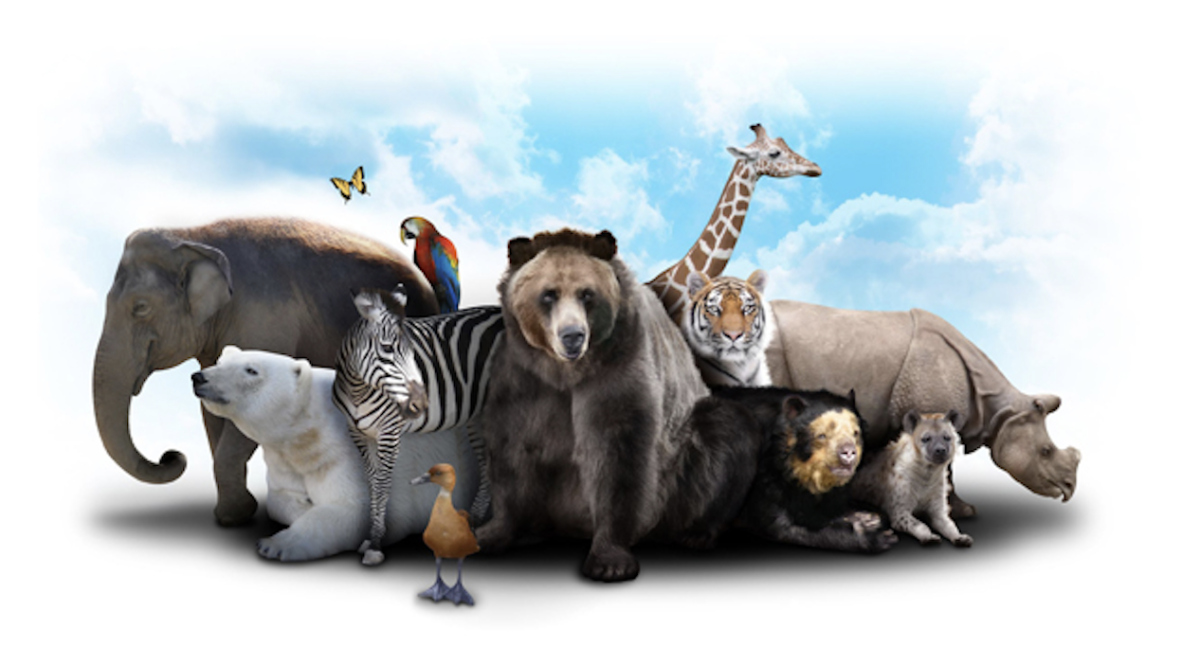
160 species were officially declared extinct by the International Union for Conservation of Nature (IUCN) between 2010 and 2019. And according to IUCN’s Red List, more than 48,600 species are currently threatened with extinction. The current rate of extinction is at least 100–1,000 times higher than the natural rate, mainly due to human activities, according to the WWF. Why are these species disappearing, and what can we do to stop it?
Why are they going extinct?
There are a few main factors contributing to the extinction of these different wildlife species. Habitat loss is one of the leading causes, and human activity is the main contributor. Human development often eliminates wildlife habitats. According to National Geographic, about 20 percent of the Amazon rainforest was cleared in the last 50 years due to human activities. Climate change is another cause of habitat loss. Human activities, such as burning fossil fuels, lead to very rapid climate change as carbon dioxide traps heat close to Earth. This climate change affects many species, such as sea turtles, penguins, seals, polar bears, and coral.
Another cause of extinction that does not first come to mind is the loss of genetic variation in species. Inbreeding is when organisms that are closely related reproduce. This leads to low genetic variation in the species, reduces the species’ ability to adapt to change. This results in a population decrease, which is one cause of extinction. While inbreeding is sometimes natural, human activity can also contribute to it, such as through habitat fragmentation and overfishing.
Are we doing enough?
Many organisations around the globe are working to prevent extinction. Habitat restoration and protection, captive breeding in suitable environments, and laws and regulations all help to fight extinction. And it is working. Endangered animals are bouncing back due to conservation efforts, and the rate of deforestation has also decreased. However, it is not enough. An estimated 10.9 million hectares of land was deforested each year between 2015 and 2025, according to a review by CarbonBrief of the Global Forest Resources Assessment from the UN’s Food and Agriculture Organization. That is the size of about 25-40 million football fields, or 100 times the size of Hong Kong.
What can we do about it?
It is easy to feel helpless against extinction since the situation seems so extreme and complex. However, there is a lot we can do. Supporting reputable conservation organisations such as WWF and IUCN contributes to efforts in stopping extinction. Raising awareness about how human activities affect species loss is one way we can help as well. Tell people about what is going on and how humans are causing it. Simple actions in our own daily lives add up and help decrease human activities’ effect on different species. Save energy, water, food, and other resources by using only what you need and regularly finding ways to reuse them. There’s hope for these species if everyone plays their part.
Sources:
https://education.nationalgeographic.org/resource/endangered-species/
https://www.britannica.com/science/inbreeding
https://www.ifaw.org/international/journal/habitat-fragmentation-affects-animals
https://www.wwf.sg/stopping-the-spiral-to-extinction/
https://www.carbonbrief.org/un-report-five-charts-showing-how-global-deforestation-is-declining/
https://www.fao.org/forest-resources-assessment