
A human hasn’t been to the moon since 1972, marking the end of the Apollo program. It’s been over 50 years since that, and it looks like NASA is ready to go back.
You may have heard of the Artemis program. It’s NASA’s four-stage program to bring humans back to the Moon, announced in 2017. What is the Artemis program, and what is it trying to accomplish?
Artemis I is the first stage of the Artemis program. Uniquely, this stage of the program has actually already been done. It launched in 2022 with an uncrewed test launch of NASA’s Space Launch System and Orion spacecraft around the moon—a milestone occurrence.
Artemis II is the second stage. Similar to Artemis I, it is also a test of the Space Launch System and Orion spacecraft, but adds a flight crew, testing how it works with real people. It is a ten-day mission and will occur no later than April 2026.
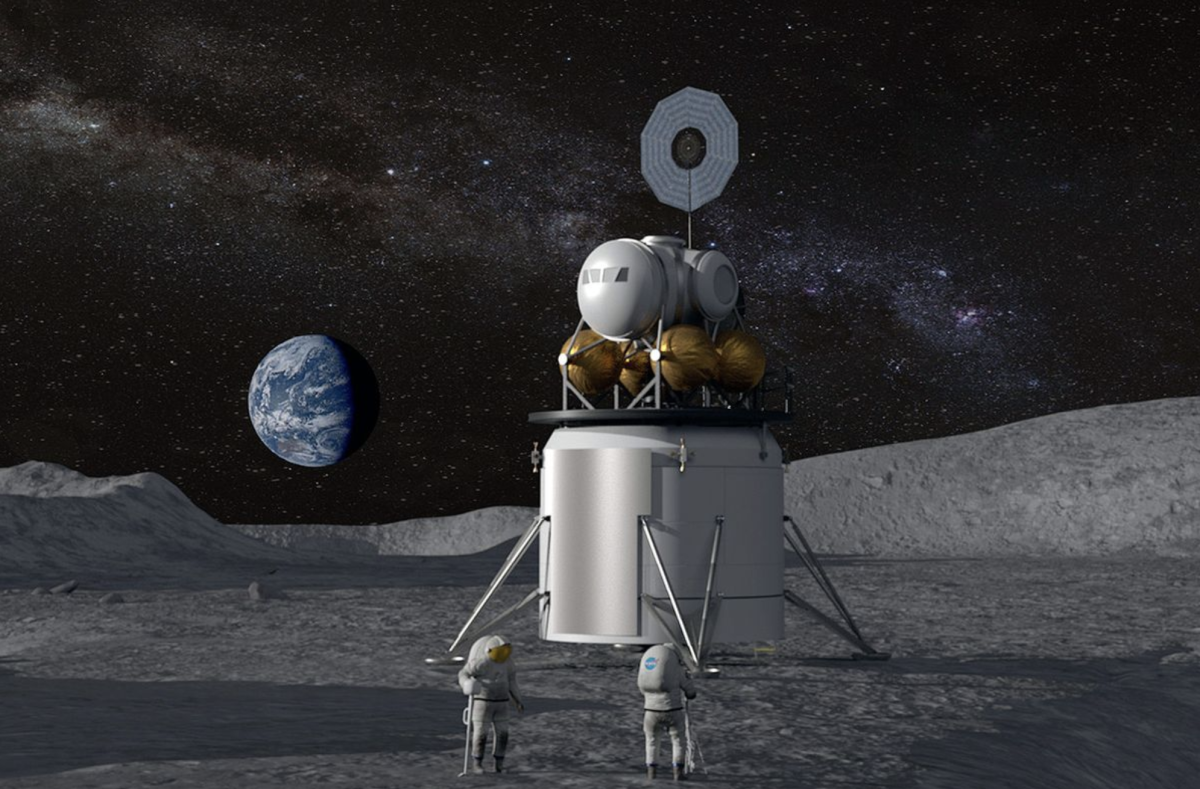
Artemis III is yet another milestone. It will send humans to the south pole of the Moon—a place found to be rich with water. It will occur in mid 2027 and last four days.
Artemis IV involves a launch of our very first lunar space station, building on the Space Launch System. If done correctly, this will be a major milestone and a world first.
So why does this matter? Why is NASA trying to go back to the Moon in the first place? NASA is making this endeavor for scientific purposes, economic benefits, and to inspire and empower a new generation. NASA is working diligently, and is constantly publishing timelines online. Stay updated!