
Formula 1’s 2026 season isn’t just another championship year – it’s a fundamental transformation of the sport’s technical DNA. With new aerodynamic symptoms, hybrid power units, and sustainability objectives, the FIA has completely rewritten the Formula 1 rulebook. These rules are implemented by FIA to move the sport closer to the future, with a mixed opinion from the F1 grid.
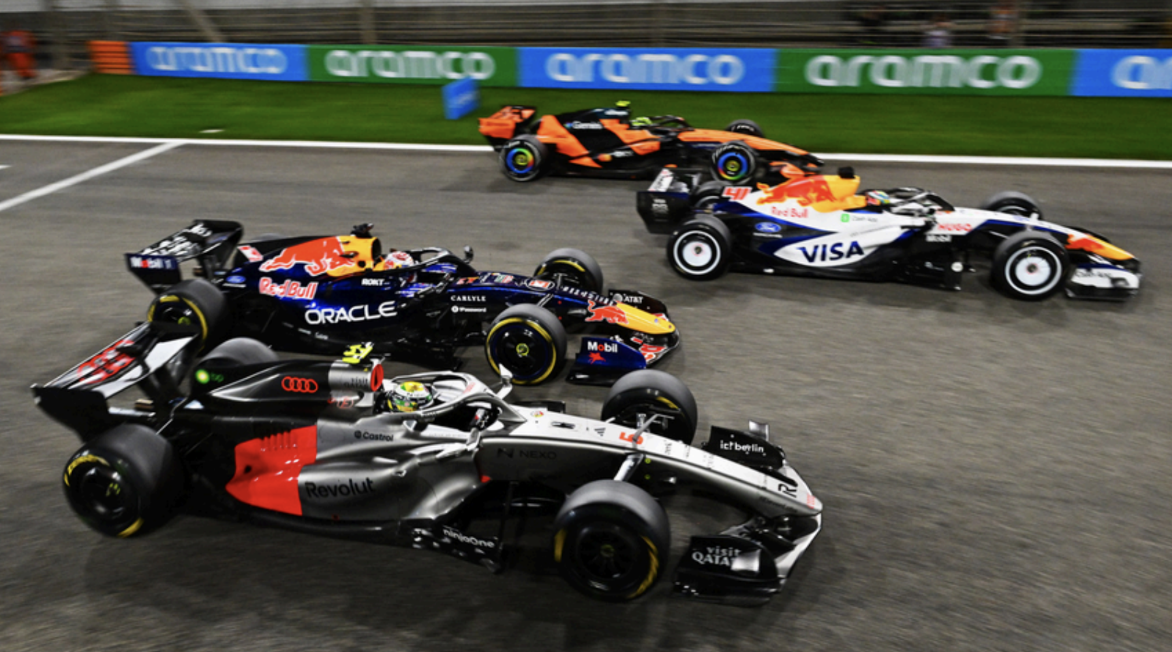
One of the key changes is the replacement of the traditional DRS with the new aerodynamic concept, which uses aero adjustments that are controllable by the driver to reduce drag on straights and increase the downforce in corners.
Aerodynamics, however, is not the only change the FIA made. The FIA also made a significant shift in the power units under the hood. While the FIA decided to retain the 1.6-litre turbo V6, with the increasing role of electrical energy, while targeting a 50:50 balance between electrical power and combustion. While controversially removing the heat recovery unit(MGU-H) simplifies the system, it forces the drivers and engineers into a new area of energy management. Moreover, FIA’s mandate for teams to use 100% sustainable fuels aligns the sport with a greener motorsport ecosystem.
The F1 grid, however, has a mixed view on the sweeping reforms, with some of the biggest names in the sport like Alonso and Verstappen being openly critical about these new regulations after the pre-season testing in Bahrain. Four-time world champion Max Verstappen described the new power unit as “not very Formula 1-like” and “anti-racing”, even calling it “Formula E on steroids”. He says that the new modifications of the cars prohibit drivers from going flat out, and the majority of the lap is spent managing energy.
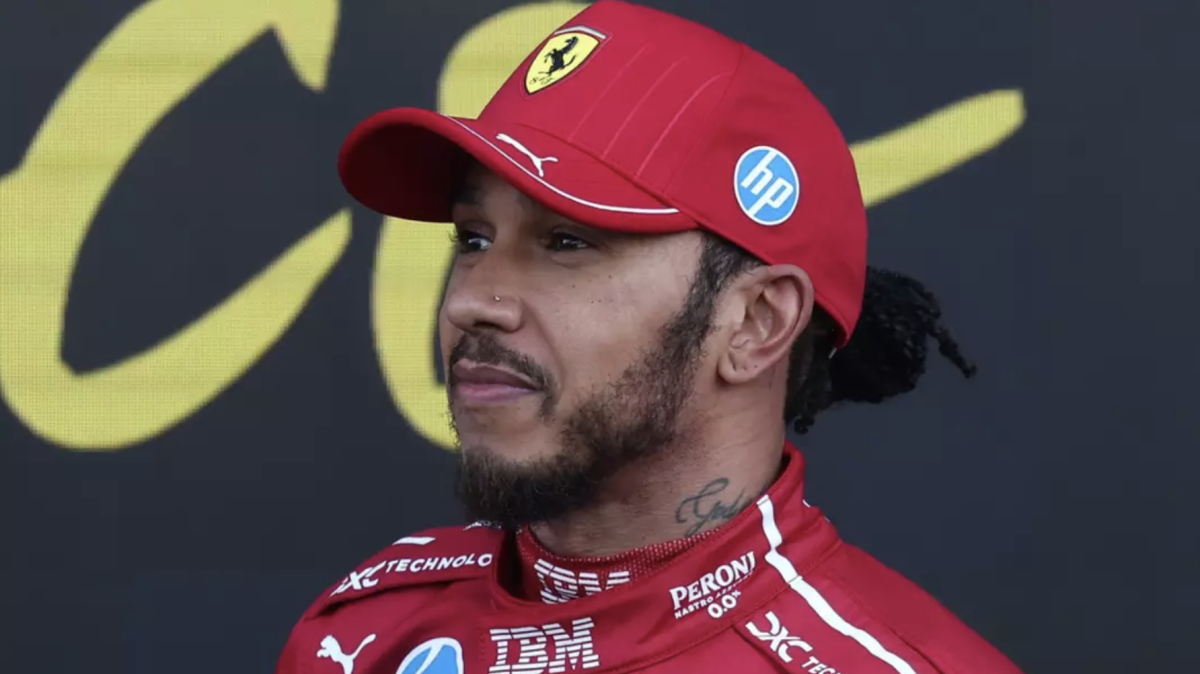
While Sir Lewis Hamilton has voiced concerns about the complexity of the new regulations, suggesting that they require a level of understanding almost like an engineering degree before even stepping into the cockpit – a comment reflecting how dramatic the changes feel to drivers with decades of experience.
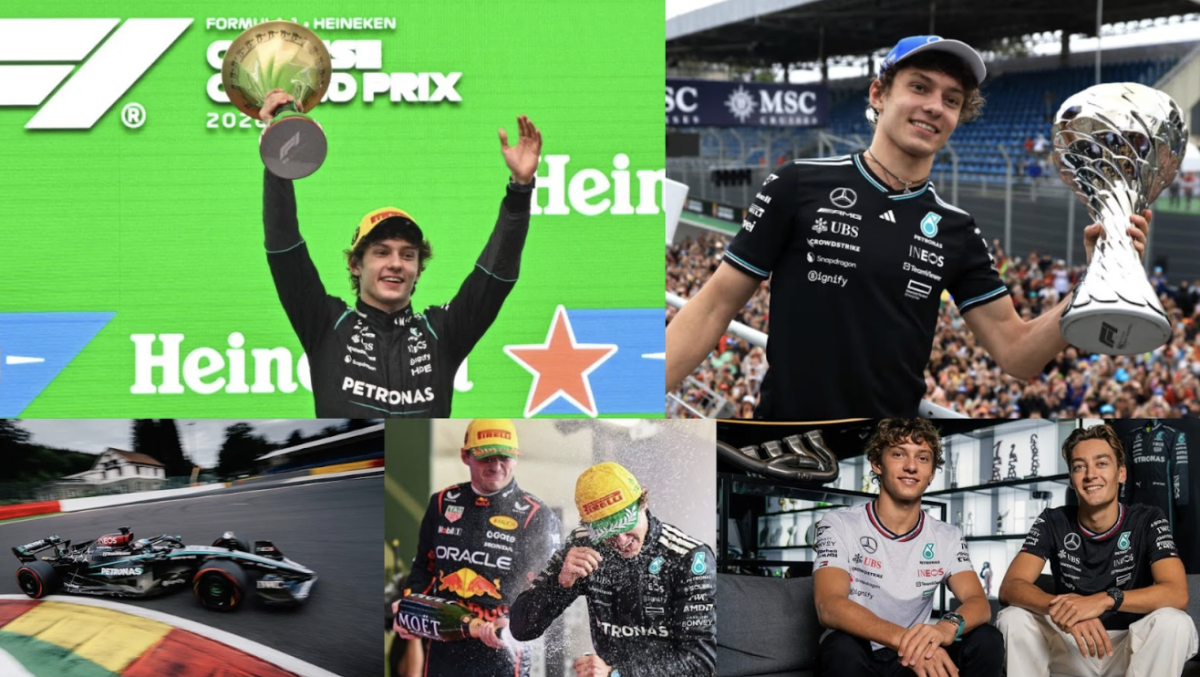
However, not all the feedback from the drivers is negative. Several drivers have publicly taken a more balanced view. McLaren’s Lando Norris acknowledged that the cars are “very different” and trickier to drive, with less downforce and a greater focus on energy strategy, but he also pointed out the unique challenge and “fun” in experiencing how the new designs behave on track. Alpine’s Pierre Gasly and Mercedes rookie Kimi Antonelli have highlighted that while the cars require adaptation, their lighter, more agile feel and innovative systems represent a meaningful evolution of the sport that rewards drivers who can manage the new dynamics well.
This divide between strategy and spectacle reflects a broader tension in modern motorsport: balancing cutting-edge engineering with the visceral thrill of flat-out racing. As teams continue development through early rounds and the FIA monitors data from Grand Prix weekends, the season ahead will not only determine a world champion but also test whether this ambitious set of rules delivers the intense, strategy-rich racing the sport aims for—one that satisfies engineers, drivers, and fans alike.