
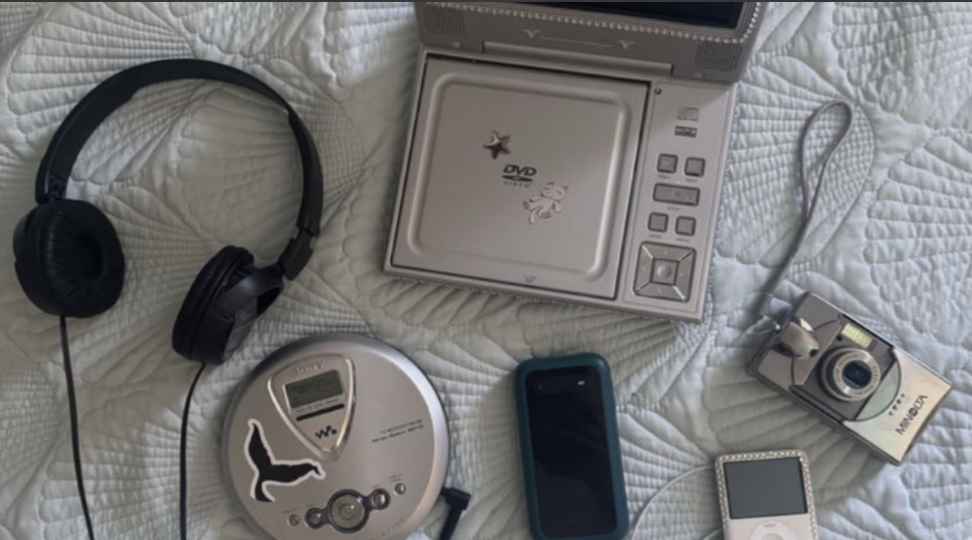
In today’s time, we have a lot of new modern tech, from phones that fold in half to VR headsets that keep reality out of the question; we’ve got glasses with screens that only you can see, and many more concepts and ideas that are soon to be put out into the world. Even after all this innovative tech, it seems like teenagers and adults alike are reaching for old tech; things like CD players, old consoles, MP3 players, and cameras from the 1990s to early 2000s are making a huge comeback. Why is that, though? What makes these old devices so appealing? Let’s break down why this trend was set in place and why this trend, unlike others, could actually cause more good than harm.
Retro technology is experiencing a resurgence in popularity due to various factors such as nostalgia, genuine appeal, hands-on design, and the wish to step away from continuous digital engagement. In a world shaped by smartphones, streaming services, and social media, many individuals are once again embracing older technologies like vinyl records, film cameras, cassette players, and flip phones. These devices provide a unique experience that feels more personal and deliberate; they feel more authentic to have. A playlist on your favorite streaming service is completely unusable as soon as you cancel that precious subscription, but as soon as you buy a CD or Vinyl, that is yours to keep forever; no one can take it away, no monthly subscription required. This applies to streaming services, too. Have you ever been completely indulged with a certain show on Netflix, then log in to your account the next day just to realize that show has a big red banner saying “leaving soon”? Well, once you buy a CD for that show or movie, there is no leaving soon, or ever. That show can be played for decades through the CD player you have sitting in your garage from 15 years ago.
A key factor contributing to the resurgence of retro technology is nostalgia. Older technologies bring back memories of past periods in people’s lives or of times they look up to. For some people, using a record player or an old gaming console evokes memories of their childhood or family customs. What about teenagers who haven’t experienced this technology? For younger individuals who didn’t grow up with these devices, retro technology can seem exciting and distinctive as it reflects a different era and cultural background. Some view this tech as an exciting and fun way to experience what their parents might have while growing up. Not only is this an excellent way to get into video games or TV shows, but it could be just the perfect thing for teenagers to bond with their parents.
Another reason is the sense of genuine authenticity. Digital technology often seems fleeting or intangible, while retro devices feel tangible and real. Handling a vinyl record, inserting film into a camera, or hitting play on a cassette tape gives a feeling of being connected to the medium being used. The process requires more effort, which can make the experience feel more significant. The buttons and mechanisms on vintage devices contribute to their charm. Contemporary technology frequently depends on touchscreens, with all interactions taking place behind a glass surface. In contrast, retro devices feature switches, dials, and buttons that offer instant physical feedback. Using a knob or pressing a physical button can make technology feel more approachable and enjoyable to operate. It’s just so much more satisfying to hear that click before listening to a song or watching a movie. There is so much more satisfaction to using old handled consoles that fit in your pocket than to a phone; the real feeling of using the analog sticks and mashing the buttons rather than tapping a screen.
Overall, a growing number of individuals are embracing retro technology as a way to take a break from non-stop phone usage and the habit of endlessly scrolling through negative news. Smartphones promote continuous scrolling and alerts that may feel overwhelming. Retro devices are typically more straightforward and built to perform a single function, like playing music or taking pictures. This simplicity allows people to take things slower, concentrate on the present, and appreciate technology without feeling perpetually connected. There is a charm to having a separate device for everything, taking a break from the endless controversies on the internet. When you turn on your console to play a game, you know you’re not going to end up scrolling through TikTok. When you insert a CD into that CD player, you hear that satisfying click, ready to fully immerse yourself in the music rather than scrolling through your phone with the music being background noise.
This is finally a trend that I believe benefits teenagers: spending time away from their phones and making more time for themselves. Let’s admit it, every time you open the phone to text a friend, check the news, write a note, or even play a video game, nine times out of ten, you end up on at least one of those social media apps, whether it’s TikTok or Instagram, maybe even YouTube, your task gets delayed. Maybe after reading this, you take some time off from some social media and indulge in a new TV show or a video game you really liked playing when you were younger.