
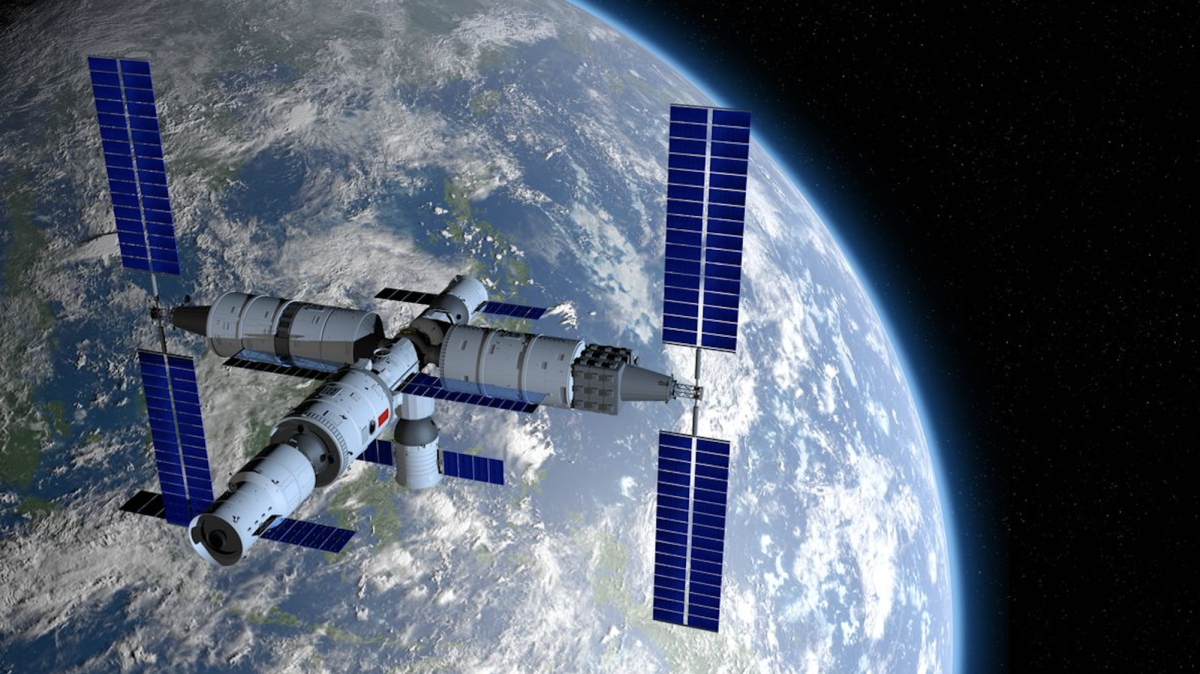
The International Space Station (ISS), an international collaboration between the space agencies of the United States, Russia, Europe, Japan, and Canada, is set to retire. Due to air leaks in the Russian module and other technical issues, the 28-year-old space station’s mission may come to an end in 2030. As of April 2026, only two space stations are operational: The ISS and the TSS (Tiangong Space Station).
What this means for NASA
The ISS orbits in low-Earth orbit (LEO), and NASA has no other space stations where “NASA astronauts can conduct research necessary to support missions deeper into space,” according to a CNN article. Dylan Taylor, the CEO of Voyager Technologies, as quoted by CNN, says the US presence in LEO is “an expression of our values. I’ll call it soft power.” He says, “China has a new, advanced space station… so it’s really important that we have continuous human presence in orbit.” NASA plans to engage space companies and transition to a commercial space station model. If NASA does not launch another space station into LEO by the time the ISS retires, the consequences for the United States could be dire. “If these new commercial platforms are not complete and operational before the ISS is deorbited, the U.S. will face the loss of its ability to perform vital scientific research in weightless conditions, research essential for minimizing safety risks posed by future space exploration activities and specifically the Artemis Program,” says the Aerospace Safety Advisory Panel in its 2025 Annual Report. NASA is on a tight timeline.
What this means for CMSA
China Manned Space Agency (CMSA) already operates a space station in LEO. The first module of Tiangong Space Station (TSS), or 天宫空间站 in Chinese, was launched on 29 April 2021. Since then, two more modules have been added, with the fourth module under development. If the ISS retires without any other commercial replacements, Tiangong will be the only space station remaining in LEO. The Wolf Amendment, passed by the United States Congress in 2011, is a law “forbidding NASA from cooperating in any way with China,” according to TIME. China, on the other hand, has opened Tiangong up to international scientists. “The [TSS] is fully open to international researchers, and guides for the open solicitation of research proposals will be regularly issued. International scientists may submit proposals through the China Manned Space Engineering Office, the United Nations Committee on the Peaceful Uses of Outer Space, or national space agencies under bilateral cooperation agreements,” according to an NLM article. The retirement of the ISS would make China the only nation with non-commercial space station presence in LEO.
Facts about the ISS
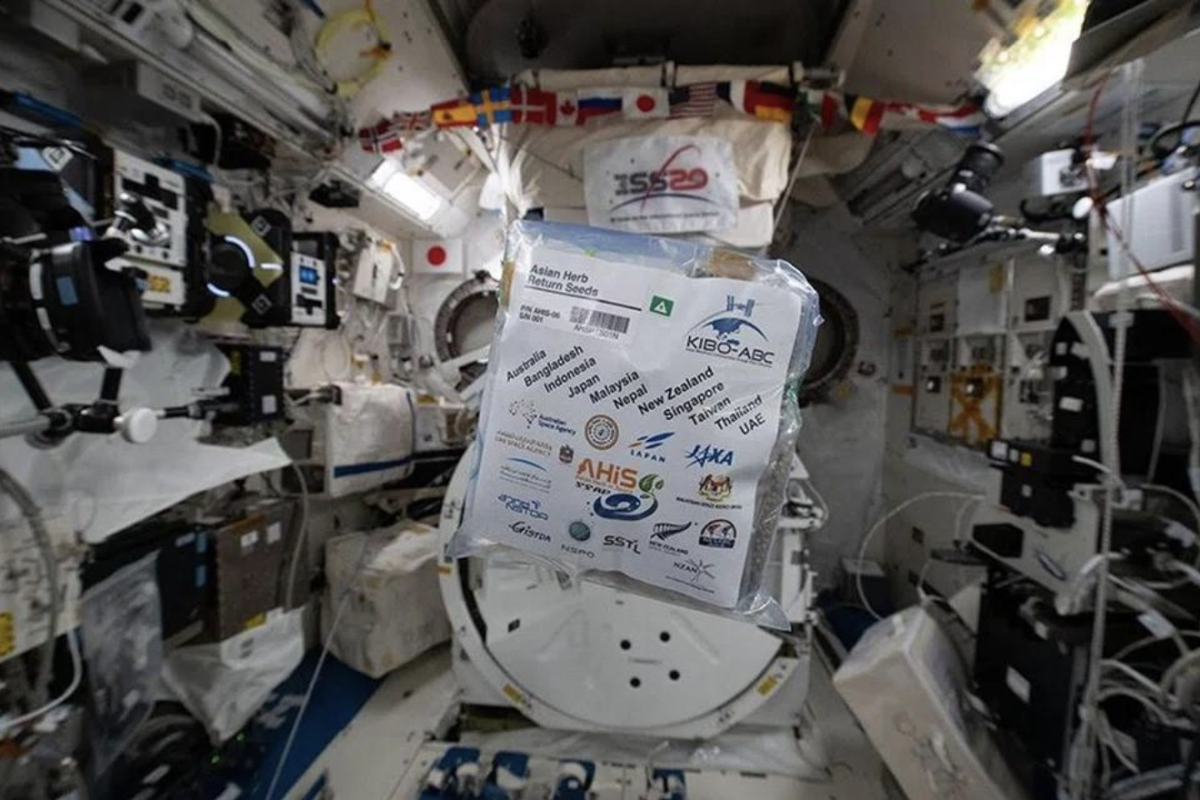
The ISS measures 109m by 73m, as big as a full-sized football field. In 2023, crops grown on the ISS included three types of lettuce, Chinese cabbage, mizuna mustard, and red Russian kale. Some of the crops were eaten by the crew, while others were sent back to Earth.
Unfortunately, retiring the ISS is harder than it seems. “The ISS will by far be the largest object ever deorbited,” according to an article from The Planetary Society. Several options were considered. One idea was to push it into a permanent “graveyard orbit” higher than 36,000 kilometres. However, the suggestion was considered too impractical and costly. The ISS is too big to burn up completely during re-entry, as some pieces would survive and plunge to the ground. To prevent them crashing into populated areas, they will be aimed for Point Nemo, a remote spot in the South Pacific Ocean.
Facts about the TSS
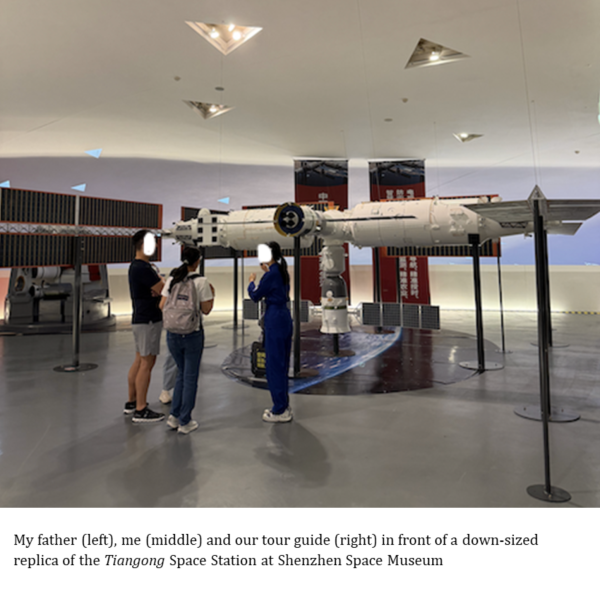
I visited the Shenzhen Space Museum in April 2026 during my trip to China. My family’s kind and knowledgeable tour guide eagerly explained China’s space achievements, including the feats achieved onboard the TSS. We learned about the different modules that make up Tiangong and their functions, and even found out about the world’s first space oven which was used to grill steak on Tiangong by Chinese astronauts.
Sources:
https://www.nasa.gov/international-space-station/space-station-international-cooperation/
https://www.planetary.org/articles/how-nasa-plans-to-deorbit-the-international-space-station
https://edition.cnn.com/2026/03/21/science/nasa-iss-space-station-retires
https://www.nasa.gov/wp-content/uploads/2024/03/asap-2025-annual-report-tagged.pdf
https://en.wikipedia.org/wiki/Tiangong_space_station
https://en.wikipedia.org/wiki/List_of_space_stations
https://en.wikipedia.org/wiki/Wolf_Amendment#cite_note-17
https://time.com/5954941/u-s-china-should-collaborate-in-space/
https://en.wikipedia.org/wiki/International_Space_Station
Shenzhen Space Museum