
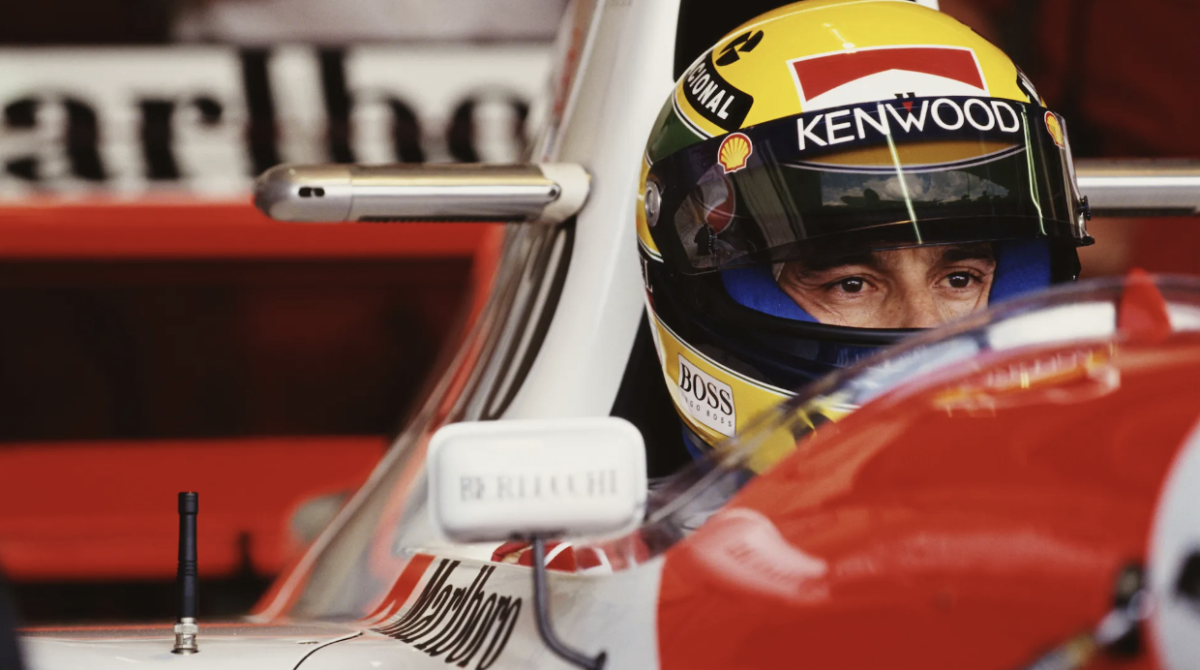
The rain pours without mercy.
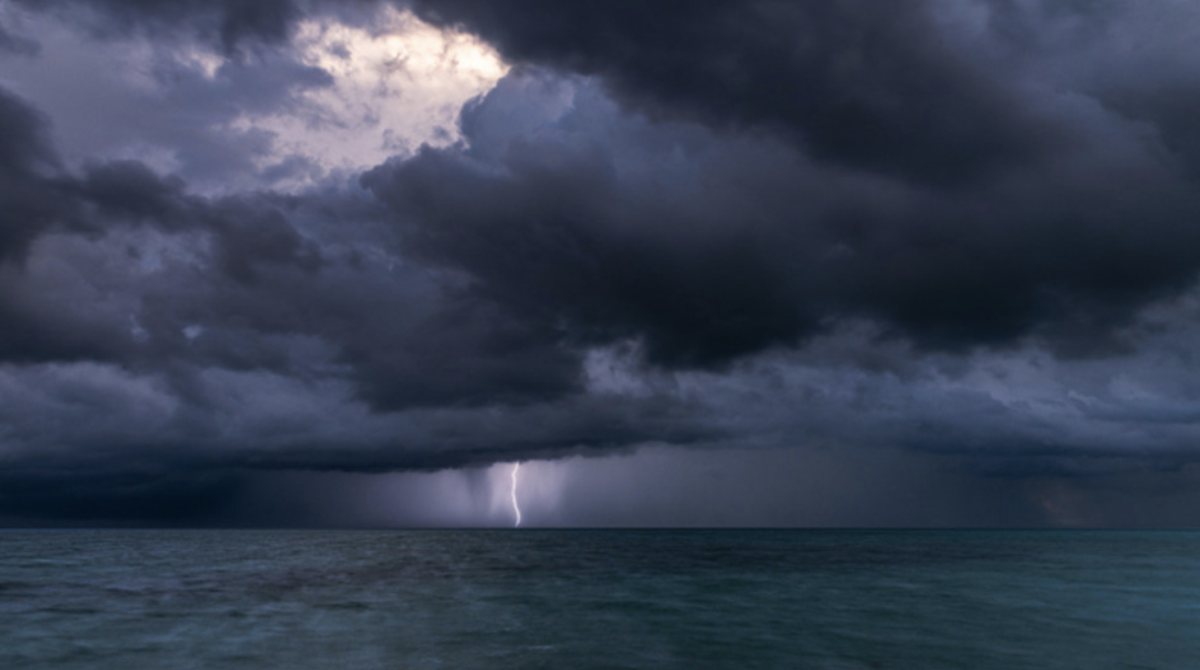
It engulfs the circuit whole, turning the tarmac into a sheet of black volcanic glass that reflects nothing but blurred lights and gray skies. Water floats in the air like a shroud of thick curtain, so thick that the cars ahead appear and melt out of visibility like ghosts. Drivers ease off the speed. Some fight to stay on the track. Others can barely visualise what’s beyond the spray bursting from the tyres in front of them.
Yet one car moves differently. Uniquely.
It cuts through the storm with an almost uncanny boldness, slipping between corners where others hesitate and doubt. Every turn seems impossible until it isn’t. Every patch of standing water that dared to send a car flying is crossed as though it has already been mapped. While the rain dictates the race for everyone else, this driver appears to be dictating the rain.
The rain and track itself bows down to him.
The crowd watches in disbelief. Through the mist and chaos, flashes of colour fly past and disappear again. One moment the car is swallowed by the raging storm; the next, it’s several seconds further ahead. It’s less like watching someone drive and more like watching someone recklessly conduct an orchestra that nobody else could hear.
The circuit belongs to him.
The weather belongs to him.
Even the storm belonged to him.
Everything is owned by him… when there’s Senna driving.
…
Ayrton Senna remains one of the most decorated and successful figures in Formula One history. To some, he was the fastest driver the sport has ever seen. To others, he was passion, determination and perfection incarnate. His influence went far beyond racing, transforming him into a global icon whose legacy still burns to inspire drivers and fans all around the world.
Born on 21 March 1960 in São Paulo, Brazil, Senna found his love for racing at the early age of 4. He began karting as a child and quickly stood out from the rest of his competitors. However, what made Senna exceptional was not just his natural talent. He contained an obsessive desire to improve. Every lap, every corner and every mistake became an opportunity to grasp in order for him to learn. While others were satisfied and plainly content with being fast, Senna wanted to comprehend and soak in every detail of what made speed possible.
After finding success in karting and junior racing categories in South America and Europe, Senna made his Formula One debut in 1984 with the Toleman team. Although he drove for a relatively small team, he instantly grabbed attention with his remarkable performances. His breakthrough arrived at the Monaco Grand Prix, where he delivered an absolutely stunning race through torrential rain, climbing through the field against far more experienced drivers than he was. Despite the race being stopped before he could challenge for victory, many believed they had already seen and witnessed the arrival of a future champion.
That prediction was most certainly proved correct.
Senna joined Lotus in 1985, earning his first Formula One victory and planting a reputation for extraordinary and breath-taking speed, particularly in wet conditions. His ability to find grip where none seemed to have earned him the nickname “The Rain Master.” However, it was his move to McLaren in 1988 that changed him into a true legend.
At McLaren, Senna formed one of the most famous rivalries in sporting history with French driver Alain Prost. The sharp difference between the two men fascinated fans. Prost was calculating, methodical, and strategic. Senna was emotional, aggressive, and relentlessly driven. Their battles pushed Formula One to new heights, creating unforgettable and memorable races, controversial collisions, and championship fights that still happen to remain legendary today.
Between 1988 and 1991, Senna won three World Championships and secured his place among the greatest drivers of all time. His qualifying laps became the stuff of myth, often leaving rivals stunned and overwhelmed by the amount of time he could find around any circuit. Watching Senna drive at his best felt like watching someone operate on a preternatural level from everyone else on the grid.
Yet Senna’s impact was not limited to the racetrack. Despite his popularity, he remained deeply connected to his home country of Brazil and silently donated millions to help disadvantaged children. Following his death, his family established the Instituto Ayrton Senna, an organisation dedicated to improving educational opportunities for young Brazilians. Through this work, his influence continues to go on and transform lives long after his racing career ended.
Tragically, on 1 May 1994, the world of motorsport was shaken deeply when Senna was killed during the San Marino Grand Prix at Imola. His death devastated millions of fans and ignited major improvements in Formula One safety. While the loss was immeasurable, the shifts that followed helped protect the future generations of drivers.
Most athletes are remembered for their achievements – Ayrton Senna is remembered for something far greater. He represented a never-ending pursuit of excellence, a refusal to accept limitations and a belief that true greatness demands everything a person has to give. Decades later, his records may be challenged, and his victories surpassed, but the endowment he left behind remains unchanged. In the hearts of many fans, Ayrton Senna was never simply a racing driver. He was a force of nature himself – one that, for a few astounding years, seemed perfectly capable of exceeding even the storm itself.
…
“I am not designed to come second or third. I am designed to win.” – Ayrton Senna
…
Sources:
Britannica – Formula One Automobile Racing
Formula One – Hall of Fame (Ayrton Senna)
Instituto Aryton Senna